Table Of Content
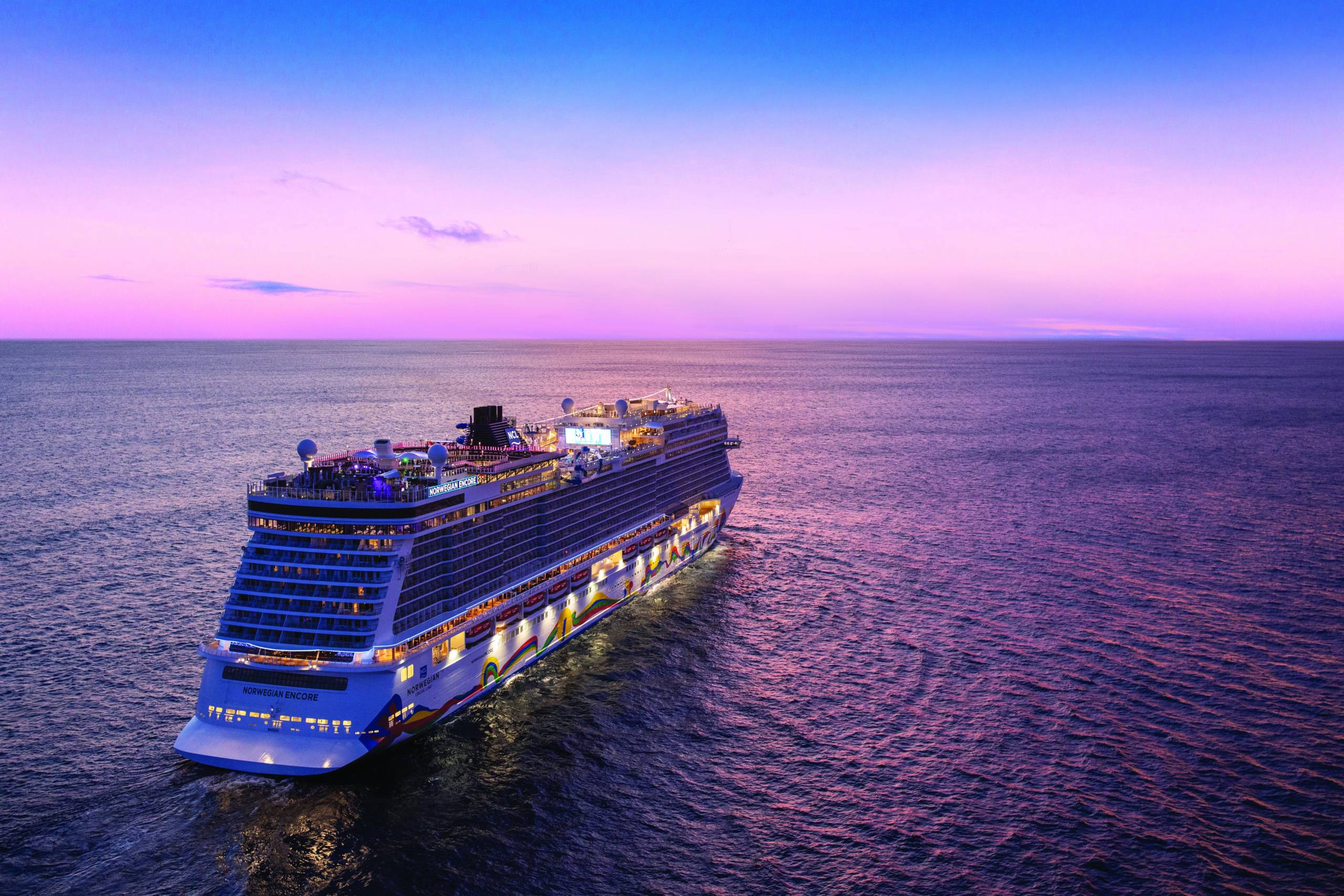
On average, a transatlantic crossing takes about six to eight days. However, some itineraries may take longer or shorter depending on the ports of call and the distance between them. Overall, the speed of a cruise ship is an important factor in its performance and efficiency. The top speed of a cruise ship is measured during sea trials using specialized equipment. In addition, knots are used universally in the maritime industry, making it easy for ships from different countries to communicate and share information about their speed.
What is the Cruise Ship Speed At Night?
You can simple multiply the knots figure by 1.15 to figure out how fast that is in miles per hour. Fuel consumption is another crucial factor affecting the speed of cruise ships. Operating at higher speeds requires more fuel, which can be a significant cost for cruise lines.
Hull Design
You can now book 2025-2026 7-night or longer Caribbean cruises on Royal Caribbean - Royal Caribbean Blog
You can now book 2025-2026 7-night or longer Caribbean cruises on Royal Caribbean.
Posted: Wed, 15 Nov 2023 08:00:00 GMT [source]
The slowest cruise ship ever built was called the SS United States which had a top speed of just 2 knots. Therefore, it makes sense to run everything possible during normal operation so that there isn’t excess fuel being burned just sitting idle. For example, if you’re sailing from Miami to San Juan, Puerto Rico, your boat may not need to make more than 10 knots because you’ll only be going about 100 miles per day. Check out this article below to find out which cruise ships are the fastest and why.
How is cruise ship speed measured, and how fast is a knot in miles per hour?
Marella cruise ships usually sail at an average speed of 12 knots. Ocean liners tend to have greater traveling speed because they’re built with transportation in mind. Besides being designed for maximum speed, ocean liners also have a few other key differences.
MSC Meraviglia, belonging to MSC Cruises, is renowned for its combination of speed and elegance. Passengers on this ship can enjoy world-class dining, entertainment, and breathtaking views as they cruise at impressive speeds. Larger cruise ships tend to be faster due to their longer waterlines, which allow them to glide more efficiently through the water. Depending on the weather and other factors, a ship may take longer to travel 480 nautical miles. Although it sounds like a fun science experiment, no one these days has to stand on the bow and toss a knotted rope over the side. Modern cruise ships rely on GPS tools to monitor and adjust speed.
Learning about this is your first-class ticket to the nautical lingo club. High-speed cruise ships offer a range of elegant cabins and suites, ensuring your journey is as comfortable as it is thrilling. The Norwegian Joy, a part of the Norwegian Cruise Line fleet, is another example of a high-speed cruise ship. It boasts a top speed of 24 knots (28 miles per hour) and offers a wide range of thrilling onboard activities and entertainment options. For these reasons, cruise ships mostly operate at a standard cruising speed that strikes a balance between safety and efficiency.
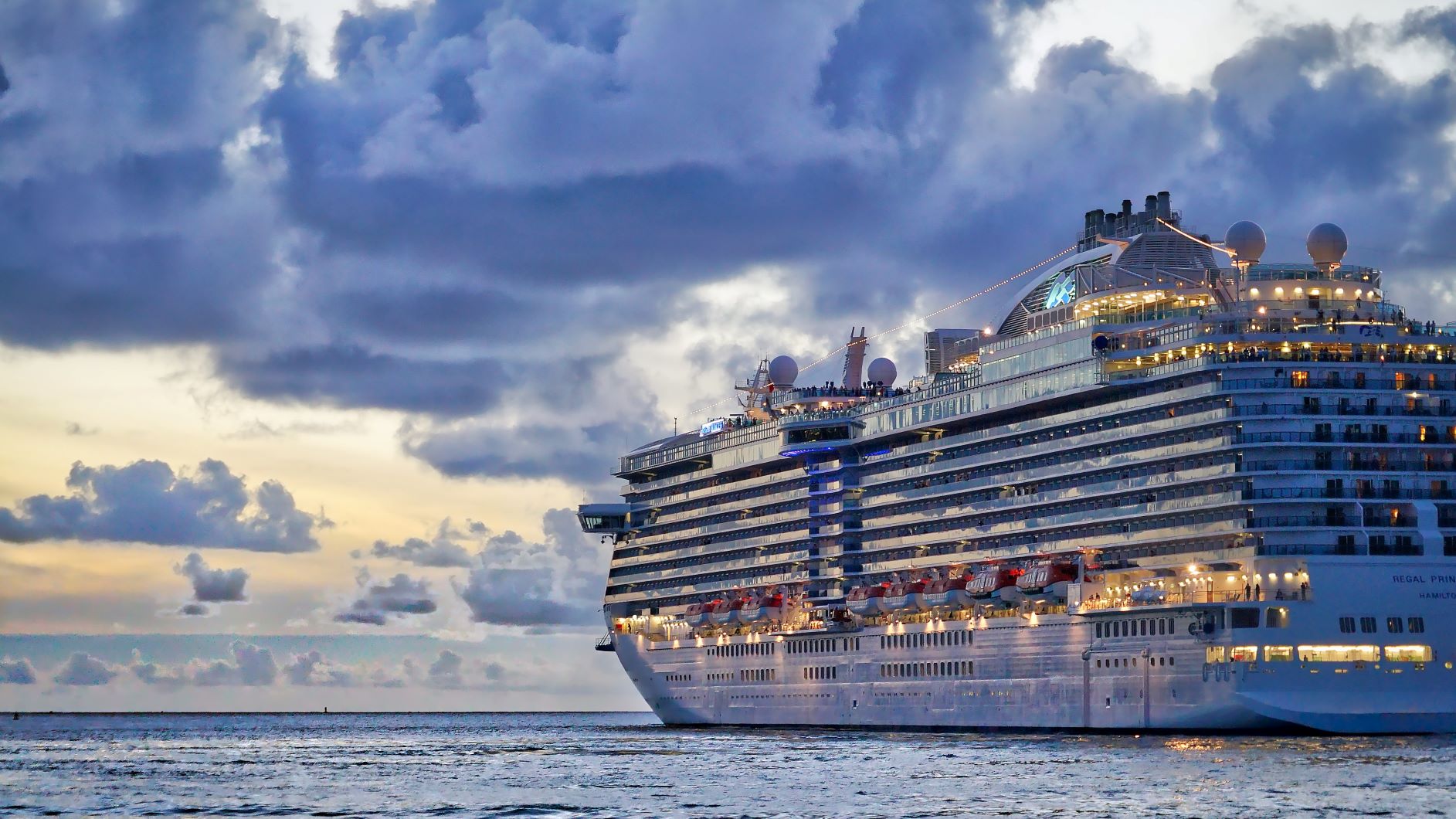
Similarly, I was on one of QM2's early cruises and we were about 4 hours late leaving Ft. If there are contrary seas and/or winds, the ships will slow down to lessen the impact on the passengers. They usually cruise at max speed when in deep international waters - to get from home port to the first destination, and from the last destination back to home port. Between ports of call, they sail slowly to maximize the amount of time the casino, shops, etc., can be open.
What Are The Top Speed Records Of A Cruise Ship?
Yes, cruise ships can outrun storms or navigate around storm cells as they move about twice as fast as the storms themselves. Cruise ships measure speed in knots because it’s a nautical measurement that is easy to use. At night, you’re not likely to see other ships or land, which can make the ship’s movement seem faster.
Factors Affecting Cruise Ship Speed
These floating cities often visit several ports during a week-long sailing. Additionally, it’s essential to understand the terminology used when discussing a ship’s speed. To learn more about what a knot is and how it relates to speed, check out our article explaining how fast a knot is.
QM2's Transatlantic crossing distance is almost 3,000 nautical miles, or ~3,400 statutes/normal miles (5,500 km), and this is done in less than 7 days. However, many modern cruise ships are designed to be more fuel-efficient, with advanced hull designs and propellers that help to reduce drag and improve speed. There’s no official record of the fastest cruise ship as cruise ships rarely, if ever, use their top speed.
We went to our late seating dinner and I remarked to my wife about how smooth the seas were tonight. We went out on deck after dinner to get some fresh air and I noticed we were stopped and anchored. There were two other ships on the horizon who obviously were anchored too that were probably in St Thomas with us that day and headed to San Juan like us. Captains will try to ride the ocean currents when possible, as this often allows shutting down one of the engines.
One of the most common questions curious travelers ask is, “How fast does a cruise ship go? ” In this extensive manual, we will immerse ourselves in the captivating realm of cruise ship speeds, investigating the various elements. Influence their velocity, and revealing the fastest cruise ships afloat. “Cruising speed” is the speed at which most cruise ships travel on open seas. It is not the maximum speed but a rate at which the ship will offer a comfortable ride, using the least amount of fuel for the distance traveled. If a cruise ship traveled with “the pedal to the medal” it would not only give the passengers a rough sailing, but it would also use much more fuel than necessary.


No comments:
Post a Comment